

When looking into weather forecasting the latest trend is to allow for hyperlocal and focused weather forecasts, sometimes concentrating on geographic areas as small as a single farmer’s field. With advances in machine learning and data analytics it is possible to crunch immense volumes of data and provide insights at a local level that were previously unheard of.
But the data still needs to be captured and created and that is where weather stations come in. These small data collection devices are continuing to get both cheaper and smaller, enabling them to be deployed widely at very low cost. New Mexico will soon have the most stations in the United States with their ZiaMet weather station network with 97 sites.
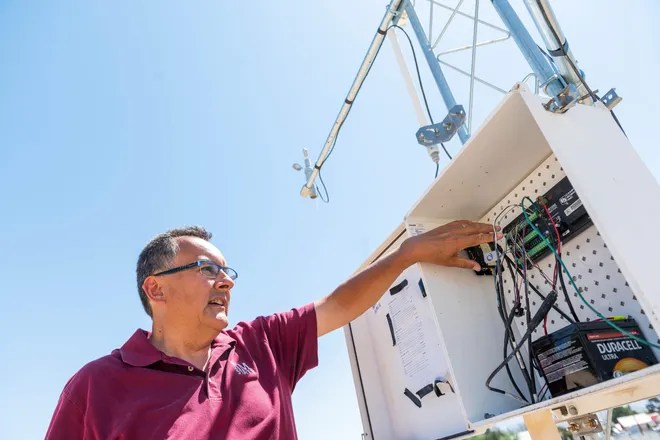
Weather stations to aid agriculture, emergency response (lcsun-news.com)
“More high-quality data leads to more accurate forecasts and more well-informed decision making during critical weather situations,” said David DuBois, New Mexico state climatologist and director of the New Mexico Climate Center.
The reason such weather stations are so important is because it helps fill the gaps in the temporal and spatial areas that are not covered by the larger federal programs and weather radar. This is of huge importance to the agricultural industry that is seeing increasing weather volatility and severe weather related events.
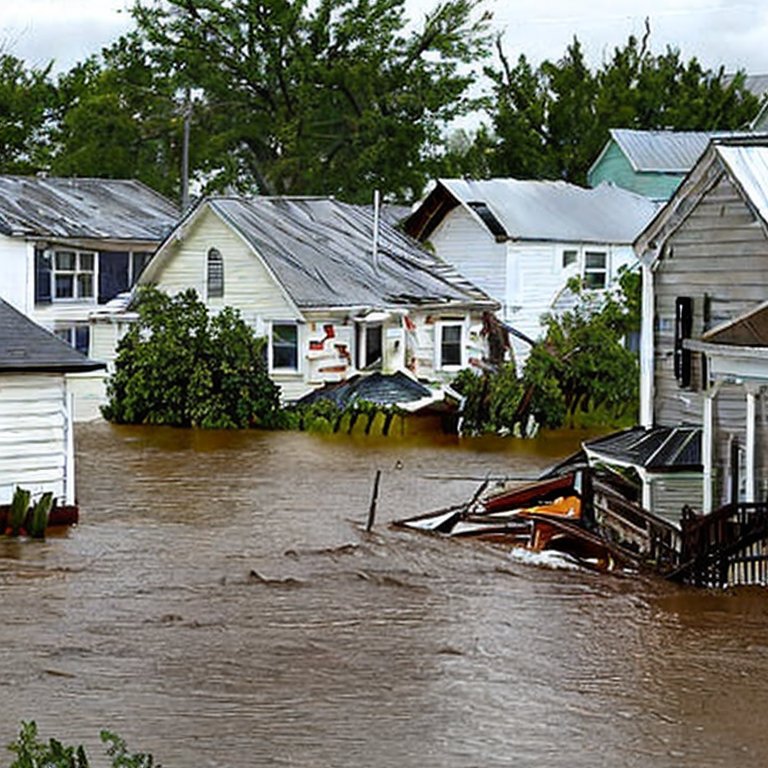
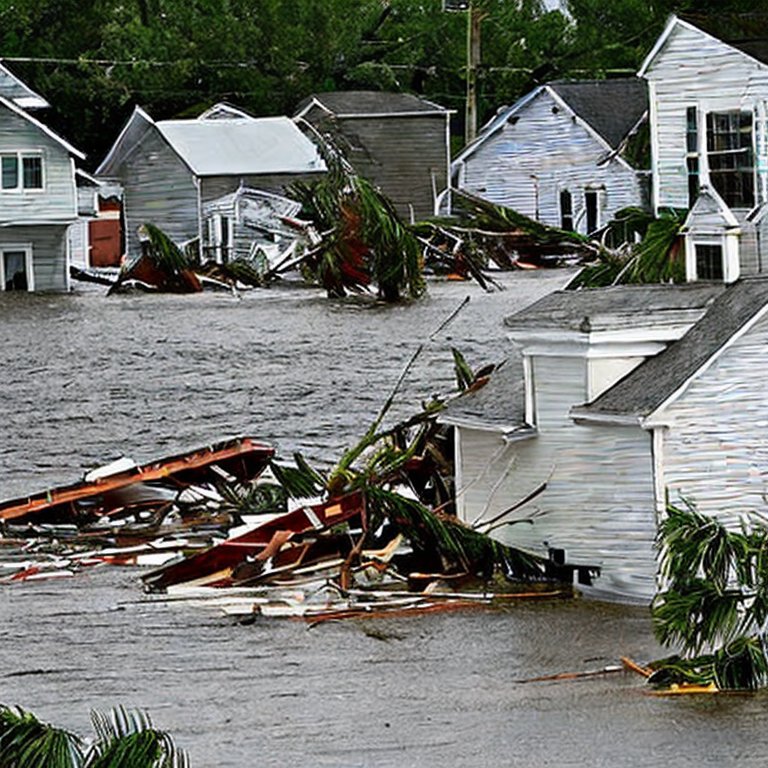
The ZiaMet data source and other weather station networks across the country are available to the public. Climatility can then leverage these hyper local resources to aggregate and cross reference the climate data to provide the most accurate forecasts. Climatility can also use the historical weather data to provide insights to weather impacts at a very granular level. Do you want to know exactly how much rain it takes to flood your parking lot and force you to close a loading dock? We can do that.

Contact us at Climatility.com to find out how we can help you understand how Climate Volatility can impact your business.

 Climate Tech Blog
You must be logged in to post a comment.