
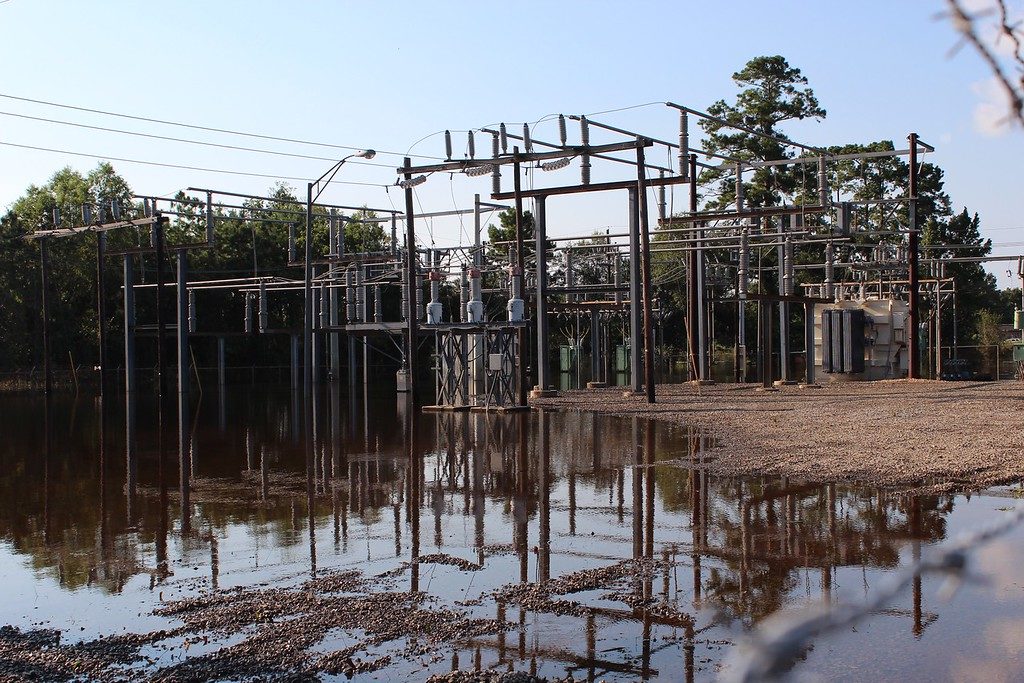
As the impacts of climate change become increasingly severe, the risk of flooding is becoming a major concern for utility companies across the country. Flooding can damage critical infrastructure, disrupt services, and pose a significant safety risk to employees and customers alike. As a result, utility companies must take proactive steps to prepare for and mitigate the risks of flooding.
One of the most important steps that utility companies can take is to assess their vulnerability to flooding. This includes identifying areas of infrastructure that are at risk of flooding, such as power plants, substations, and transmission lines. Companies can then develop plans to protect these assets, such as building flood walls or relocating infrastructure to higher ground.
Another key strategy for preparedness is to invest in backup power and redundancy systems. These systems can help ensure that critical services remain operational even in the event of a flood or other disaster. For example, companies can install backup generators or battery storage systems to ensure that power continues to be supplied to customers during an outage.
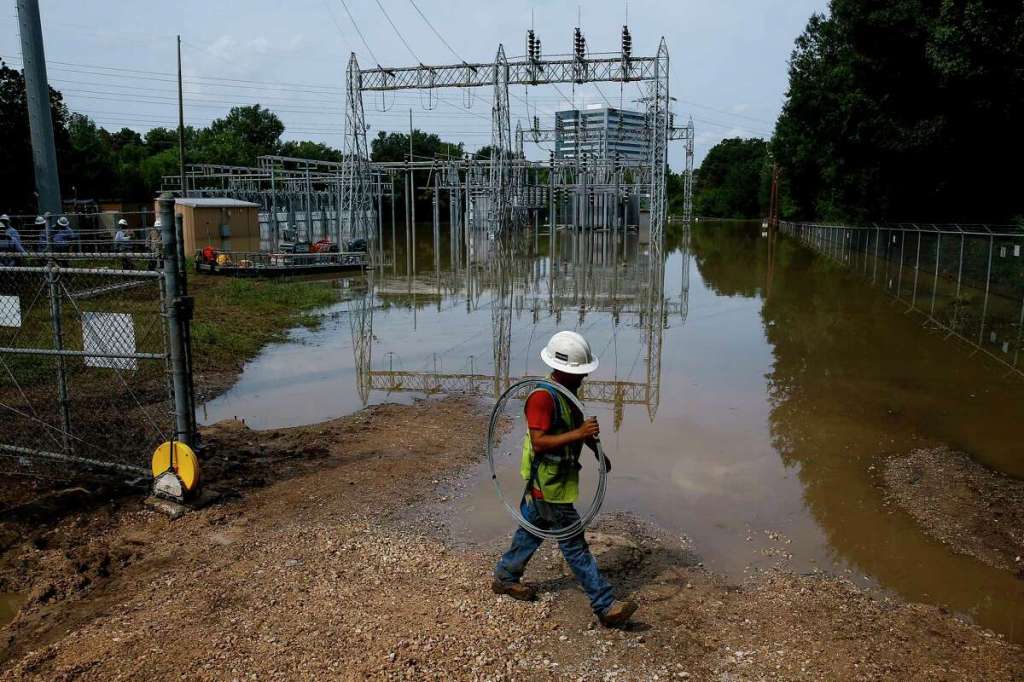
In addition to these infrastructure-focused strategies, utility companies can also work to build stronger relationships with local emergency management agencies and other stakeholders. This can include participating in local flood mitigation planning efforts, coordinating with emergency responders, and communicating regularly with customers and the public about flood risks and preparedness measures.
Perhaps most importantly, utility companies must take a long-term view of their preparedness efforts. As climate change continues to worsen, the risk of flooding is only going to increase. Companies that fail to prepare adequately could face significant financial and reputational risks, as well as harm to their customers and communities.
Fortunately, there are a number of resources available to help utility companies prepare for flooding risks. The Federal Emergency Management Agency (FEMA) provides guidance and resources on flood mitigation and emergency management planning, while the Department of Energy offers technical assistance and funding opportunities for companies looking to improve their resilience.
In the end, the risks of flooding for utility companies are significant and growing. By taking proactive steps to assess their vulnerability, invest in infrastructure and redundancy, build strong relationships with stakeholders, and take a long-term view of preparedness, companies can help mitigate these risks and ensure the reliable delivery of critical services for years to come.
How Duke Energy is strengthening the grid for floods | Duke Energy | illumination (duke-energy.com)

 Climate Tech Blog
You must be logged in to post a comment.