
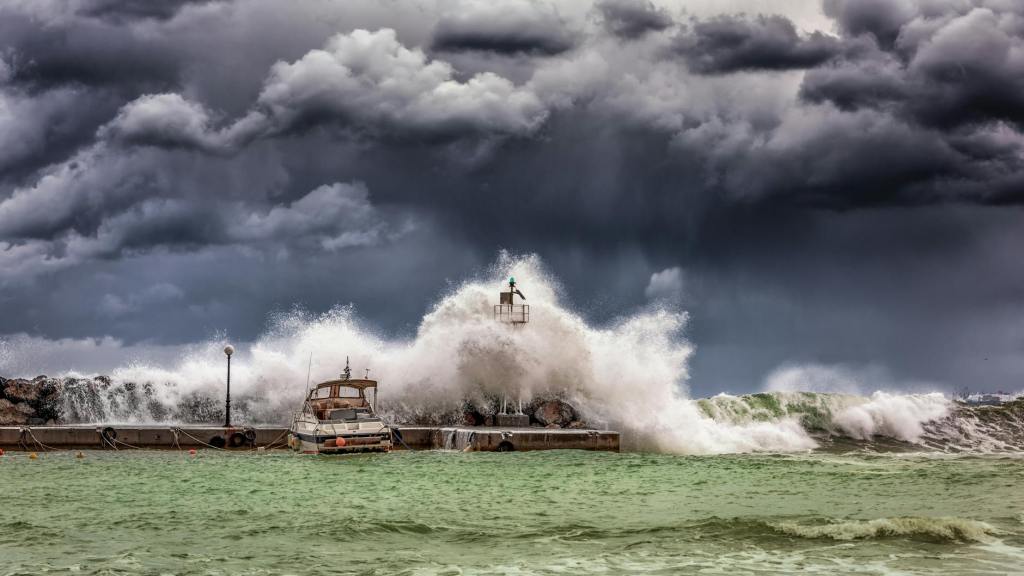
Extreme weather events are exacting a high—and rising—price.
Utilities need to devise and implement strategies to adapt. According to recent analysis of the ten largest utilities in the southeast the average cost per utility for hurricanes over 20 years is over $1.4 billion dollars. The estimated cost of improving resilience in those same companies was estimated at only $700m, resulting in potentially massive long run savings for the companies and their customers.
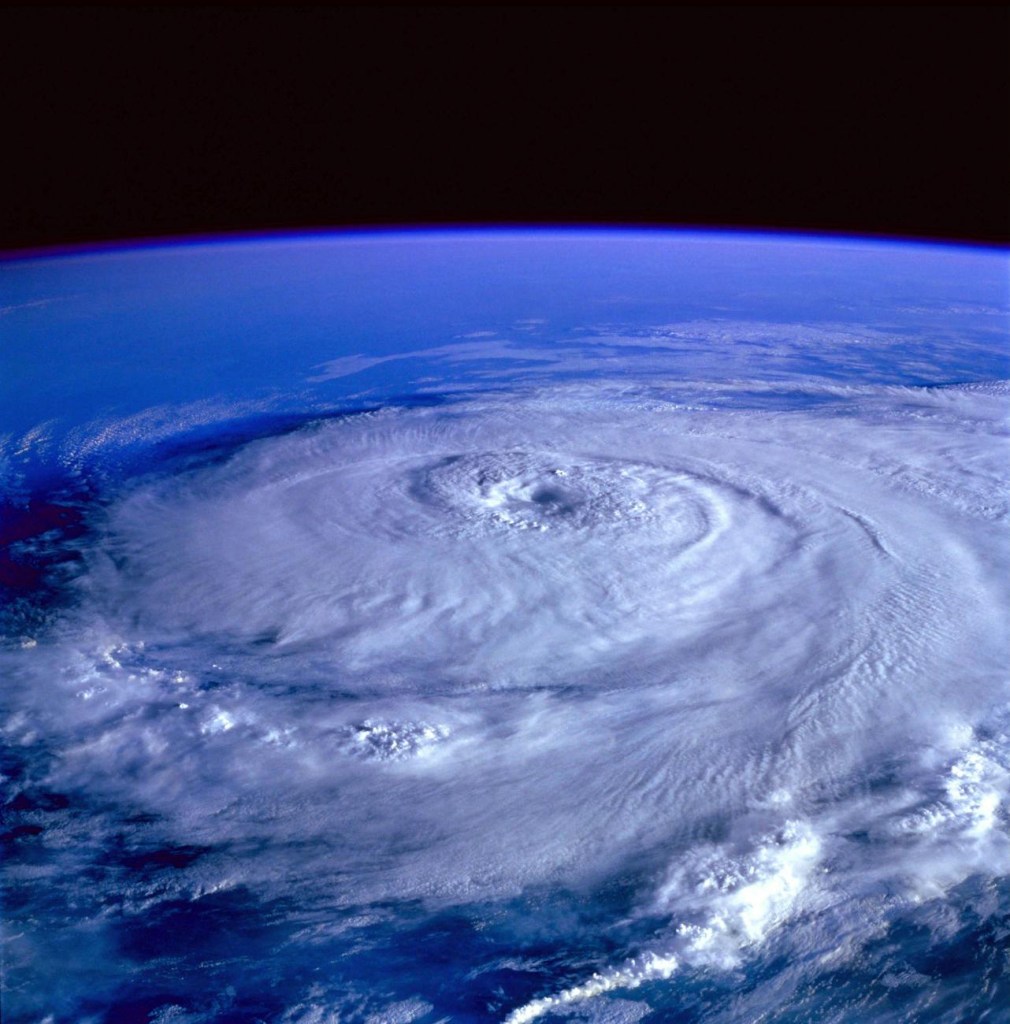
The cost of extreme weather is already high, and the frequency and the cost to life and property of extreme weather events has increased in recent
years. If such events become more common or intense, as the assessment predicts, the price will be even higher. Even now, some utilities are making investments in long lived assets in risky locations, increasing system vulnerability and balance sheet risk. On that basis, we believe there is a strong case for utilities to start now to take steps on climatechange adaptation. And there are ways for them to do so—for example by strengthening the grid,
exploring investments in batteries and microgrids, and working with new partners.
Forecasting is one area where an ounce of prevention can be worth a pound of cure. Using advanced analytics and the latest risk modeling techniques a utility can better assess the vulnerability of their system. This can greatly increase the system preparedness and allow for higher resiliency.
McKinsey prepared a study on the impacts and benefits of preparedness in order to understand the economics of mitigating climate-change risk in the United States, we considered the effect of extreme storms, largely hurricanes, on utilities, because it is relatively easy to measure storm-related impacts. To do so, we examined the financial records of ten large power utilities in seven states where hurricanes are common (Alabama, Florida, Georgia, Louisiana, North Carolina, South Carolina, and Texas), plus New Jersey, where hurricanes are less common but dense coastal populations mean damage from storms can be particularly costly.
According to this analysis, a typical utility saw $1.4 billion in storm-damage costs and lost revenues due to outages caused by storms over a 20-year period. Then, using estimates from the Fourth National Climate Assessment for increases in extreme weather events and coastal infrastructure damage
driven by climate change, we estimated that by 2050, the cost of damages and lost revenues would rise by 23 percent ($300 million), or approximately
two to three additional years with major hurricane damage. (These projected increases are conservative; they are based on estimates of regional increases in extreme weather or storm damage due to sea-level rise.) Combined, these
estimates give us a baseline: $1.7 billion in economic damage for each utility by 2050.
Estimates for resiliency investments on the other hand range from $700M to $1.2B to prepare for the impacts of climate change. That is less than the $1.4B seen over the last 20 years and far less than the projected $1.7B in the next 20. While this analysis was focused on only a small subset of utilities the reality is that small and targeted investments in better forecasting and understanding the weaknesses can have outsized ROI and can be a crucial first step.

 Climate Tech Blog
You must be logged in to post a comment.